




Hybrid Workforce Dilemmas: Mitigating Security Risks While Maintaining Productivity
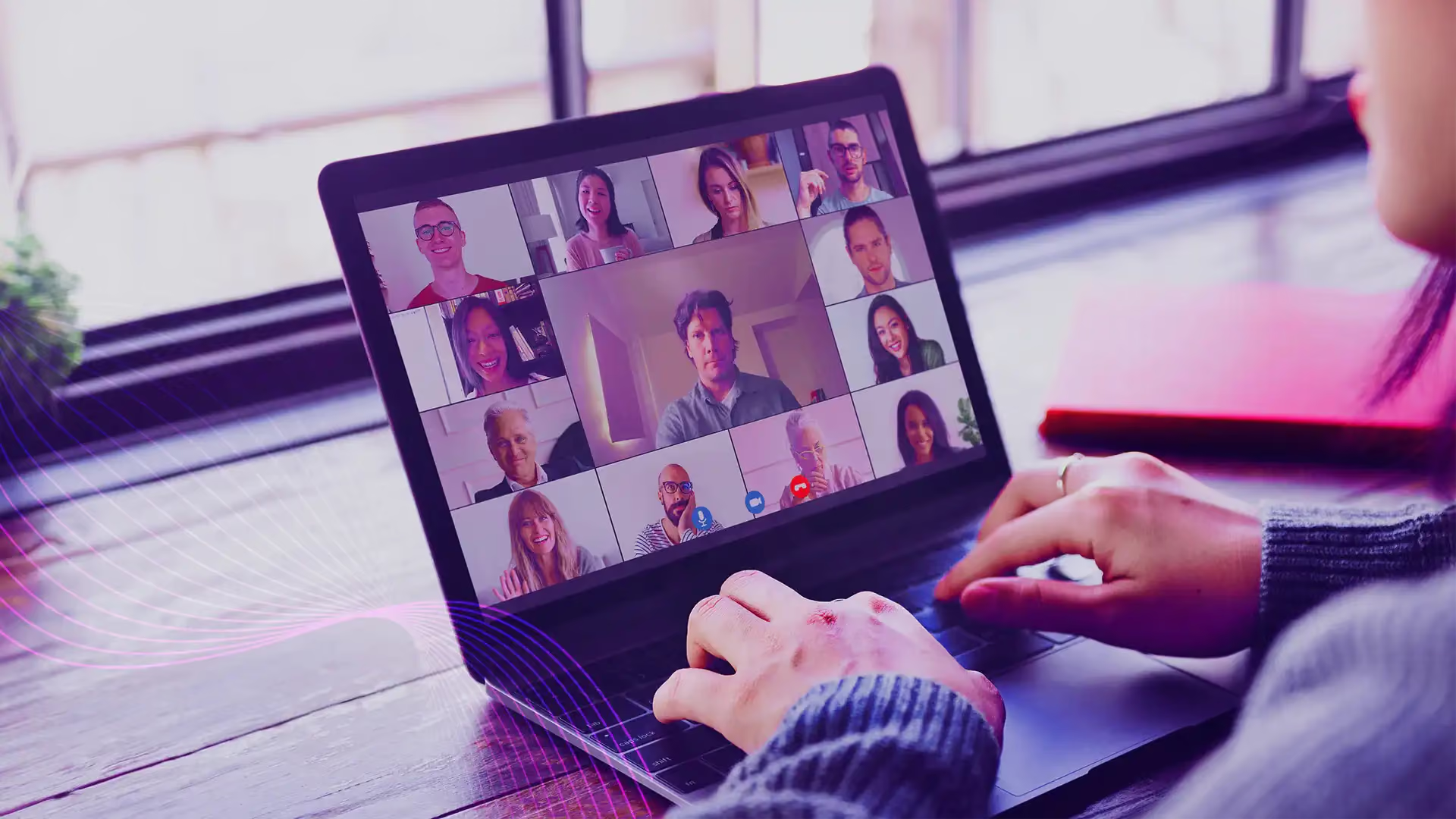
The hybrid workforce model has gained traction due to its ability to blend remote and in-office work, catering to diverse employee preferences and operational needs. According to a survey, 51% of organizations have adopted some form of hybrid work model as of 2024. This is a substantial increase from pre-pandemic levels when only 30% of companies had flexible work arrangements. However, this shift has also introduced a host of challenges, particularly in the realm of cybersecurity.
The hybrid workforce, composed of employees who work both remotely and on-site, presents unique vulnerabilities that must be addressed to safeguard sensitive data and maintain productivity. While the security risks associated with hybrid work are significant, it's crucial to balance these measures with the need to maintain productivity. Overly stringent security protocols can slow down processes, frustrate employees, and hinder the very flexibility that hybrid work aims to provide. Therefore, organizations must adopt a balanced approach that ensures security without sacrificing productivity.
Understanding the Hybrid Workforce Dilemma
The hybrid work model offers several benefits, including increased employee satisfaction, reduced overhead costs, and enhanced access to talent. However, it also poses significant security risks due to the expanded attack surface created by remote workers.
- Increased Attack Surface: The hybrid workforce model significantly increases the attack surface as employees access company networks from various locations using personal devices and unsecured Wi-Fi connections. This wider exposure presents multiple opportunities for cybercriminals to exploit vulnerabilities and gain unauthorized access to sensitive information.
- Data Breaches: In a hybrid work environment, the decentralized nature of data access makes it challenging to monitor and control data flow. This complexity heightens the risk of data breaches, as unauthorized access and data exfiltration become more likely when data is distributed across numerous devices and locations.
- Phishing Attacks: Remote workers are more susceptible to phishing attacks due to their potential unfamiliarity with company security policies and use of unsecured network. Cybercriminals often exploit this vulnerability to deceive employees into revealing sensitive information, leading to unauthorized access and potential data compromise.
- Device Management Challenges: Managing and securing a diverse array of personal and corporate devices used by remote workers is a complex task for security teams. The varied security levels of these devices create multiple points of vulnerability, complicating efforts to ensure that all devices meet organizational security standards.
- Lack of Visibility: The hybrid work model creates challenges in maintaining visibility into remote worker activities. This lack of oversight makes it difficult to detect unusual or suspicious behavior, which can hinder the timely identification and response to security incidents.
- Endpoint Protection: Endpoints, including PC and smartphones, are critical access points to company data and are targeted by hackers. With employees accessing company resources from various locations, endpoints become increasingly vulnerable to cyberattacks, emphasizing the need for stringent protection measures.
Zaperon: Your All-in-One Security for Hybrid Workforce
In the era of hybrid work, security challenges are more complex than ever. To safeguard your organization, implementing robust security strategies is essential. Zaperon offers an all-in-one solution that integrates these strategies, providing comprehensive protection across both remote and in-office environments.

- Zero Trust Architecture
The Zero Trust model operates on the principle of "never trust, always verify." It requires continuous validation of user and device identities to protect against both internal and external threats. Gartner forecasts that by 2025, 60% of organizations will integrate Zero Trust as a core component of their security strategy, reflecting its growing importance in modern cybersecurity. Zaperon seamlessly integrates this model, ensuring that users can only access the resources they need, based on stringent least privilege access controls. Factors such as user roles, device identity, IP address, and geo-location are considered, guaranteeing secure access from verified devices. - Multi-Factor Authentication (MFA)
Multi-Factor Authentication is a critical component in reducing the risk of unauthorized access. Microsoft reports that 99.9% of the compromise accounts didn’t have MFA, significantly reducing the risk of unauthorized access and enhancing the protection of sensitive accounts and systems. Zaperon enhances security by integrating a phishing-resistant MFA, utilizing over 15 verification factors related to device certificates, user behavior, and device posture. This approach ensures phishing-resistant authentication across all applications, whether SaaS, on-premise, or desktop. - Role-Based Access Controls (RBAC)
Role-Based Access Controls (RBAC) limit access to resources based on a user's role, reducing security incidents by up to 75% according to IBM, by ensuring employees access only the data necessary for their duties. Zaperon implements RBAC effectively, lowering security incidents by ensuring that users access only the information necessary for their job duties. All privileged user activities are logged, providing a clear audit trail for compliance. - Data and Device Control
Zaperon maintains a comprehensive inventory of devices accessing sensitive information and enforces strict controls on data transfers. It blocks unauthorized data transfers via USB, Bluetooth, and AirDrop, further protecting sensitive information from breaches. Access for former employees is promptly revoked across all devices and applications, ensuring that only authorized personnel have access to critical systems. - Secure Web Gateway
Zaperon's Secure Web Gateway (SWG) enhances security, productivity, and compliance for businesses. It provides robust protection against advanced cyber threats, leveraging real-time threat intelligence to mitigate risks. By restricting access to non-work-related websites, it boosts employee focus and efficiency. The SWG ensures regulatory compliance with standards like GDPR and HIPAA, securing sensitive data while simplifying IT management with centralized policy control, making it an ideal solution for modern enterprises. - Continuous Monitoring and Assessment
Maintaining visibility into remote worker activities is crucial for detecting and responding to security incidents. Zaperon provides continuous monitoring and assessment, offering detailed logging and user-friendly dashboards that give clear insights into application access and system usage. This continuous oversight helps identify and mitigate potential threats in real-time.
Conclusion
The hybrid workforce model presents both opportunities and challenges. While it offers flexibility and potential productivity gains, it also introduces new security risks that organizations must address. By implementing robust security measures, balancing productivity with security, and leveraging emerging technologies, companies can effectively navigate the hybrid workforce dilemma. As the workforce continues to evolve, organizations that adapt to these changes while maintaining a focus on security and productivity will be well-positioned for success in the future. With Zaperon’s advanced security, organizations can effectively manage security risks while maintaining productivity in hybrid and remote work environments, ensuring a safer and more resilient operation.


